What to check before booking a desert buggy ride
Booking a dune drive looks simple at first glance. You pick a vehicle, choose a time, pay, and turn up. The details that matter sit underneath that simple surface. Desert terrain changes the way a buggy is used, and the fare often reflects more than the length of the drive. A clear look at the inclusions can prevent awkward questions later and make the day far easier to plan.
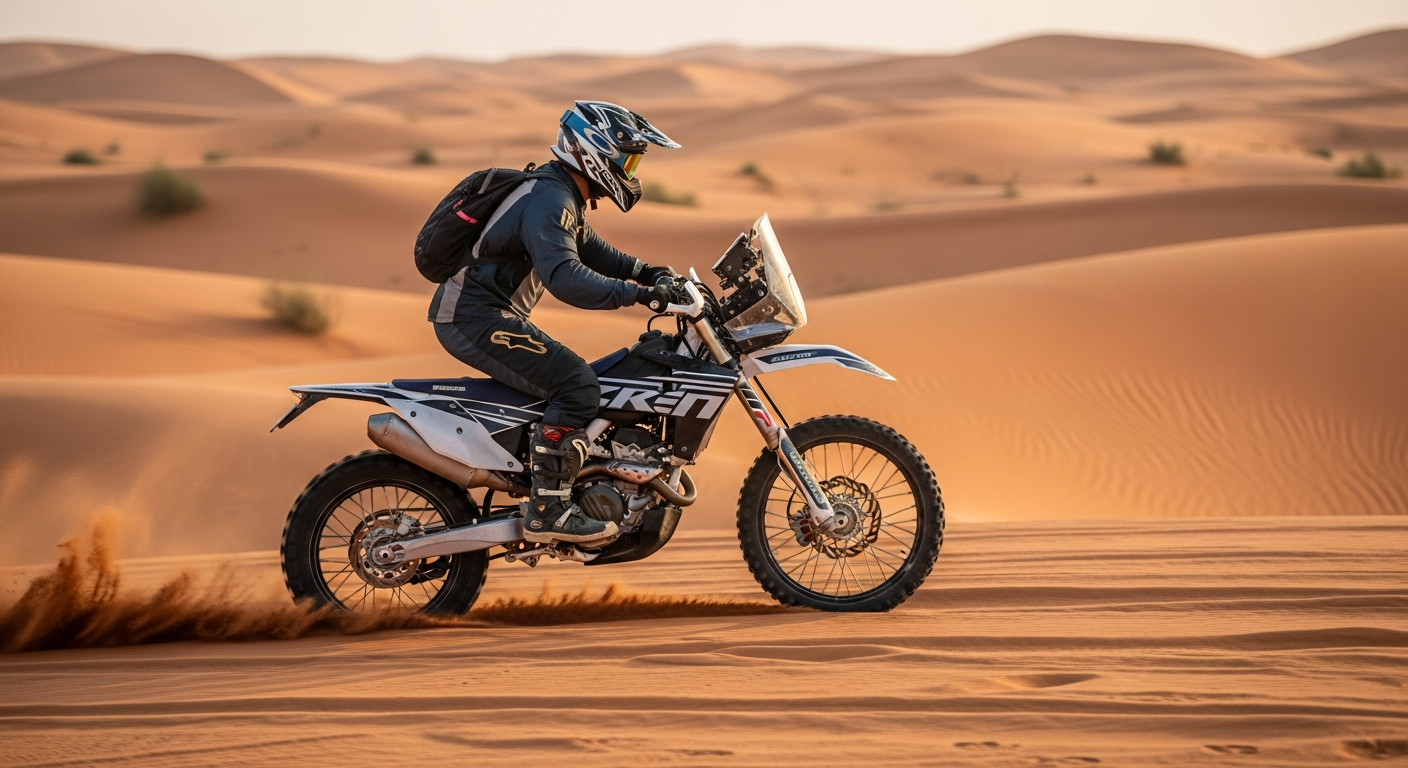
Start with the shape of the ride. A single-seater buggy suits someone who wants full control and a more focused drive. A two-seater buggy works better for pairs who want to share the experience, though the passenger still needs to understand the noise, dust, and movement. If children are part of the group, age and height rules should be checked before paying. Seat layout affects comfort, visibility, and how the vehicle handles over soft sand, so it is more than a small preference.
Vehicle type and driving arrangement
Ask whether the vehicle is driven by the guest or by a guide, and make sure the answer matches what you expect. A self-drive outing requires steady attention and basic confidence with controls. A guided ride can feel more relaxed, especially for first timers, but it may follow a set route. Some packages mix both styles, with short driving segments and breaks in between. That difference can change the value of the dune buggy dubai price considerably, even when two listings look similar at first.
Check whether the buggy is automatic or manual, and whether the booking is for one vehicle or a shared vehicle. Shared arrangements can lower the cost, but they also mean matching pace with other guests. Private bookings tend to give more space and flexibility. The right choice depends on the group, not just on the lowest figure on a page. A quiet couple, a family, and a group of friends will each get a different benefit from the same format.
Duration, route, and pace
Time is one of the most common sources of confusion. An hourly rental can sound flexible, yet the clock may start at a fixed meeting point rather than at the first dune. A half-day tour may include stops, photos, and transfers, which changes the amount of actual driving. A full-day package can feel generous, but only if the route and rest periods suit the group. Ask what the stated time includes and what happens if the group runs late.
Route style also matters. Some rides focus on open dunes and steady movement. Others include photo stops, short walks, or a pause at a desert camp. These additions can be enjoyable, but they reduce time behind the wheel. A route built for beginners will usually be gentler, while a more demanding route may involve sharper turns, steeper slopes, and longer stretches of loose sand. The pace should match the least confident person in the group, not the most adventurous one.
What the quoted fare includes
Before comparing offers, read the inclusions line by line. Transport to and from the meeting point can be a major part of the overall plan, especially for visitors staying away from the desert edge. Check whether pickup and drop-off are included, where they start, and whether the return point is the same. If transport is not included, factor in the time and effort needed to reach the start point independently.
Food and drinks are another area where expectations vary. Some rides include water, refreshments, or a meal at a camp, while others cover only the drive. The dune buggy dubai price can look different once these extras are added or removed. Ask whether water is available during the ride, not only at the end. Desert heat can make even a short outing feel longer, and having clear arrangements for drinks helps everyone stay comfortable.
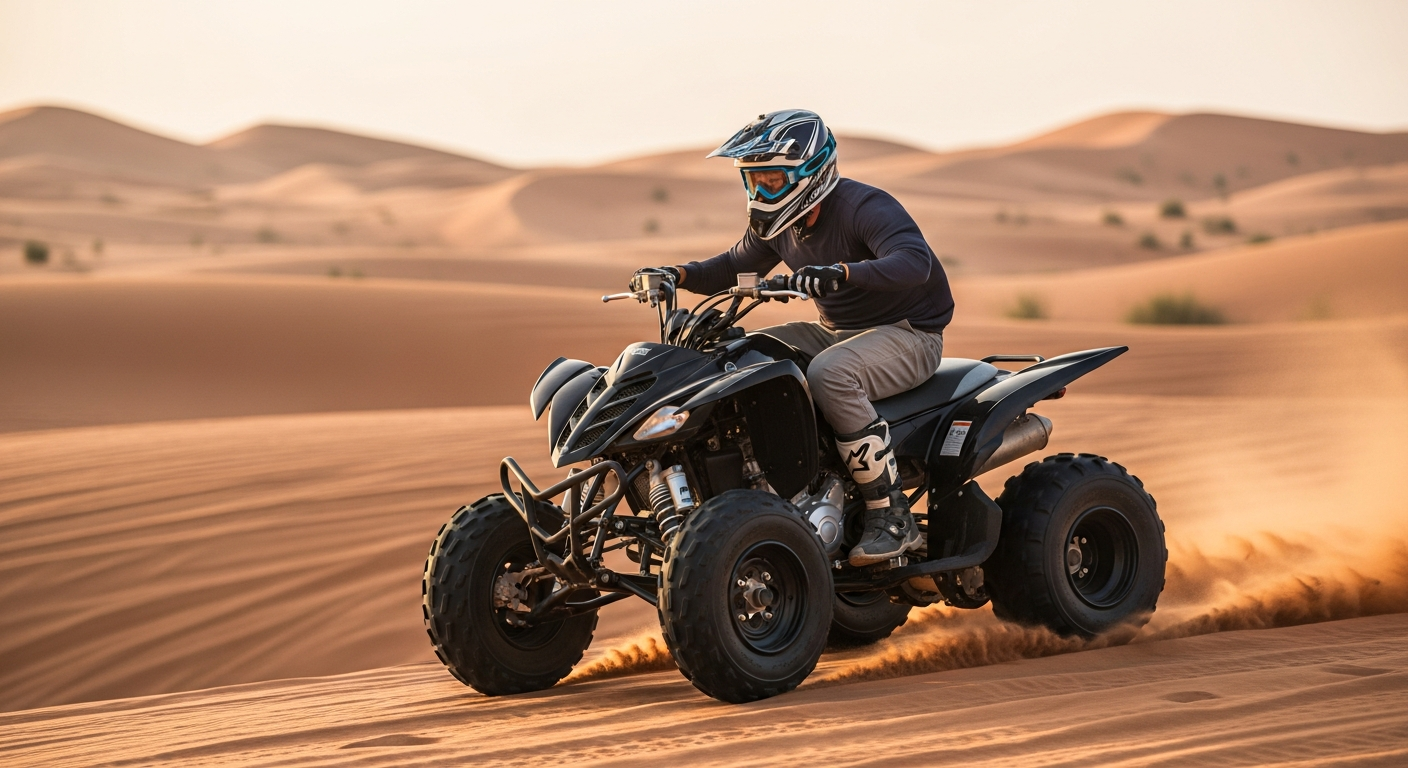
Protective gear should be checked as well. Helmets, goggles, gloves, and face coverings can make a real difference in dust and glare. Confirm what is supplied and what guests should bring. Loose scarves, floppy hats, and unsecured bags can become irritating on a buggy, so practical clothing is worth planning in advance. Closed shoes are usually a sensible choice, and sunglasses should fit well enough not to slip during movement.
Safety rules and insurance details
Safety terms deserve careful reading before payment. A responsible operator will explain the rules for driving, passenger conduct, and what happens if someone feels uncomfortable during the ride. Ask about the briefing, the route limits, and the procedure if a vehicle stops. Clear rules are a good sign because they show that the day has structure rather than being left to chance.
Insurance coverage is equally important. Find out what is covered, what is excluded, and whether a safety deposit applies. Deposits can be standard, but the release conditions should be clear from the start. Ask what could lead to a deduction and how damage is recorded. If a document needs to be signed, read it before the day rather than in a hurry at the start point. A calm conversation at booking time is much easier than a dispute afterward.
Driver requirements should also be checked. Age limits, licence rules, and experience expectations vary by vehicle and package. Be honest about driving confidence. Desert handling is not the same as driving on paved roads, and overconfidence can spoil the ride for everyone. If there is doubt, a guided option or a passenger seat may be the better fit. Mechanical issues and safety concerns should be left to qualified professionals, not handled by guests during the outing.
Group size, timing, and comfort
Group size changes the feel of the day. A private ride gives more control over pace and photo stops. A larger group may feel lively, but it can also mean waiting, shared attention, and a less flexible route. Ask how many vehicles are usually on the same outing and whether the booking is exclusive. If the group includes mixed abilities, check whether the route can be adjusted without rushing anyone.
Time of day affects comfort and visibility. Morning rides often feel cooler, while later rides may offer softer light for photos. Heat, wind, and dust can change conditions, so flexibility helps. Ask what happens if weather affects the plan, and whether there is a rescheduling option. A clear policy is more useful than a vague promise, particularly for visitors with a tight schedule.
Booking terms and small print
- Check the cancellation terms, including the deadline for changes and how refunds are handled.
- Confirm the meeting point, start time, and whether pickup is part of the package.
- Ask what happens if the group is late, and whether the driving time can be adjusted.
- Read the payment terms and keep a written record of what was agreed.
Discounts can be useful when they are clear. A group discount may apply to several vehicles or a larger booking, but it should not hide missing inclusions. Compare like with like. A lower headline figure may exclude transport, gear, insurance, or a meal, while a higher one may include several of those items. The better value is the option that matches the group needs without unwanted surprises.
Finally, look at how the booking is confirmed. A written confirmation should state the vehicle type, duration, date, pickup details, inclusions, and safety terms. If something is missing, ask before paying. A short message can clear up most uncertainty and helps everyone arrive with the same expectations. Good preparation does not make the desert predictable, but it does make the experience easier to enjoy.